Elf porn games occupy a specific corner of the arcade floor. They lean on a recognizable silhouette: pointed ears, a lean frame, often a bow or a spell. But the fantasy window dressing is not what keeps a player feeding tokens. What hooks people is a particular tension. An elf in these games usually starts out distant, disciplined, or elevated, and the mechanics slowly strip that away. The draw is watching composure crack under a system you control.
The best ones use that frame to anchor quick, playable loops. A bartender pouring rounds, a soldier cornered and bargaining, a priest tracking beasts through a forest. The setting gives you a reason for the encounter, then the game gets down to business: clear rules, fast feedback, no lore dumps. On this site, every title loads in the browser and plays immediately. No downloads, no patches. Just the cabinet waiting for your token.
1. Deedlit Gang-fuck
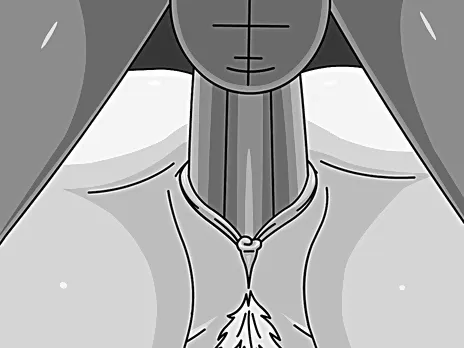
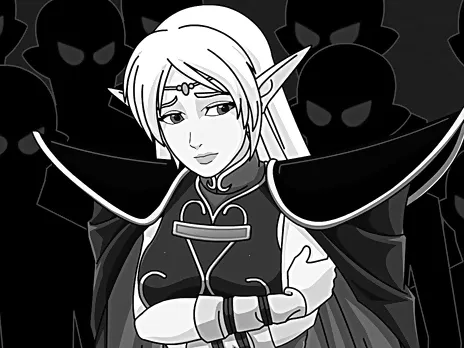
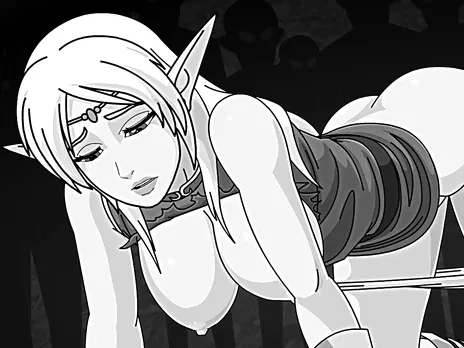
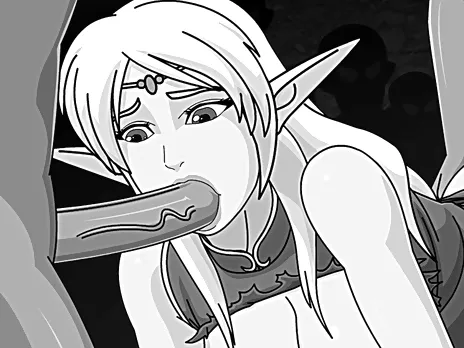
Deedlit Gang-fuck opens in the middle of a losing fight. Surrounded by hostile soldiers, the elf warrior makes a cold calculation: service them to stay alive. The game gets straight to it with no preamble.
- Immediate, relentless pacing. Three points of contact from the first click.
- Controls are minimal. You are guiding a desperate negotiation, not a tactical battle.
- The art sells the shift from haughty to helpless in a few frames. Worth a token if you want zero buildup.
2. Dream Beer
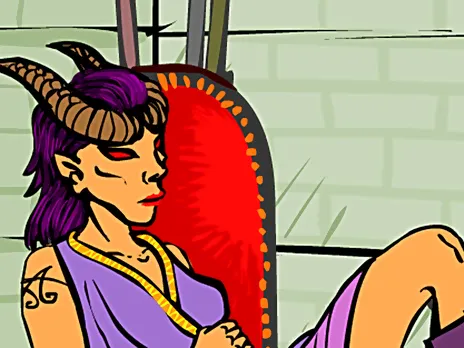
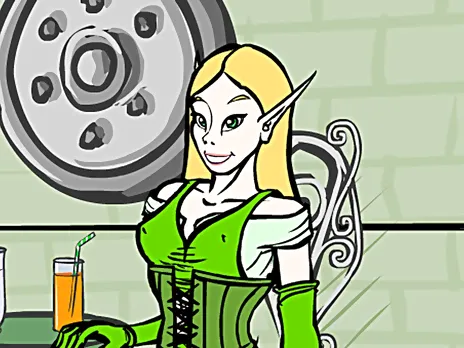
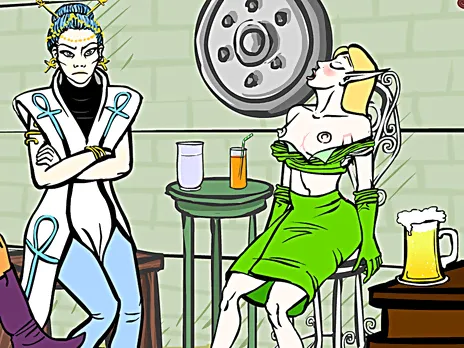
Dream Beer turns a tavern into a simple stripping puzzle. You are the bartender, and your patrons are thirsty elves, succubi, and blonde vixens. Pick the right drink for the right woman to loosen her clothes round by round.
- The mechanic is a clean trial-and-error loop: guess the order, watch a garment drop, adjust.
- Each successful pour escalates the scene fast. No waiting through long dialogue trees.
- The elf character fits the archetype neatly: aloof at first, then increasingly eager as the drinks hit.
3. Adventures of Alessandra
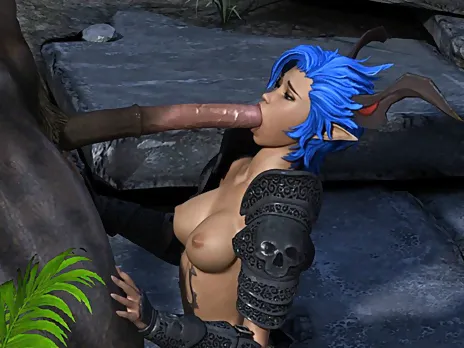
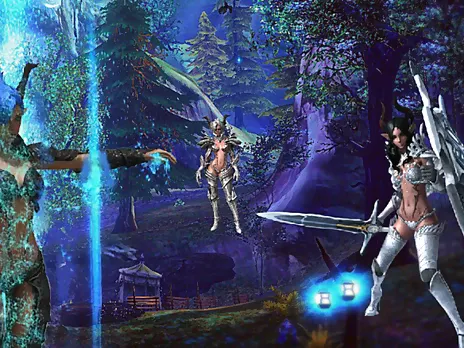
Adventures of Alessandra puts a battle priest in a dark forest with werewolves on her trail. It frames the action as a hunt where her body is as much a weapon as her faith. The setup promises a tense hide-and-seek but the loop is more linear than it implies.
- Atmosphere lands: glowing eyes in the underbrush, a real sense of being stalked.
- Pacing drags between encounters. Expect more walking than wrestling.
- Skip it unless you want the slow-burn predator-prey mood over a quick session.


4. Astrid Training
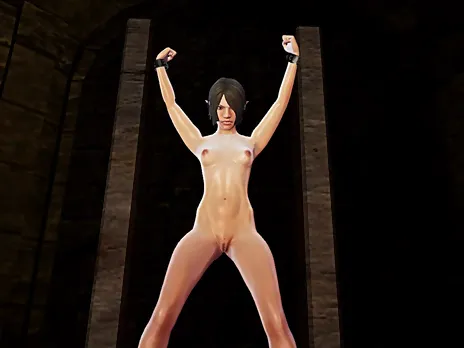
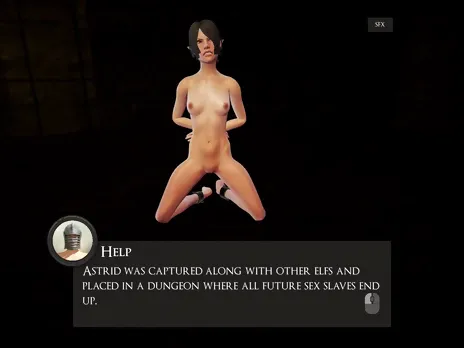
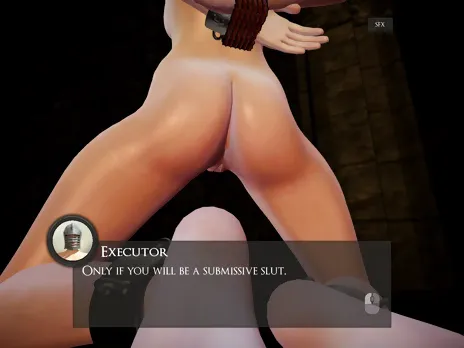
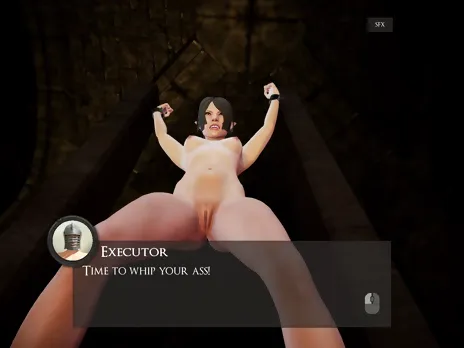
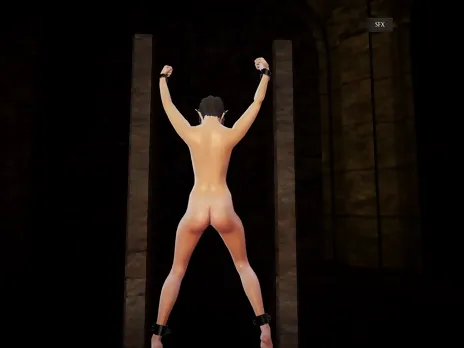
Astrid Training chains a young elf in a dark chamber and demands she endure. The premise is a harsh mentorship where suffering and strategy intertwine. It reads like a bondage endurance scenario with a thin narrative frame.
- Strong sensory opening: cold iron, leather tang, creaking beams. The atmosphere is thick.
- Interaction is limited. You are mostly watching resolve get tested, not pulling levers.
- If you want a grim mood piece and not much agency, it works. Otherwise, move along.
5. The Sixth Realm
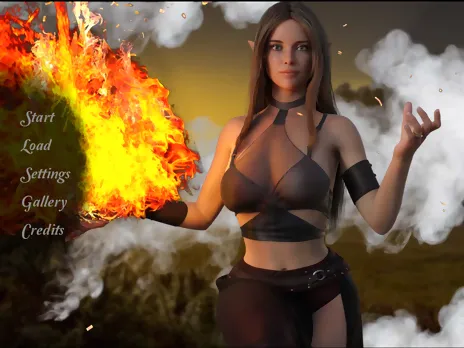
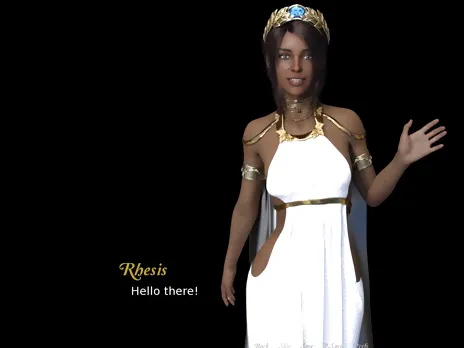
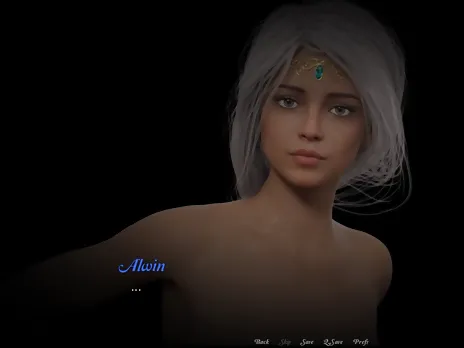
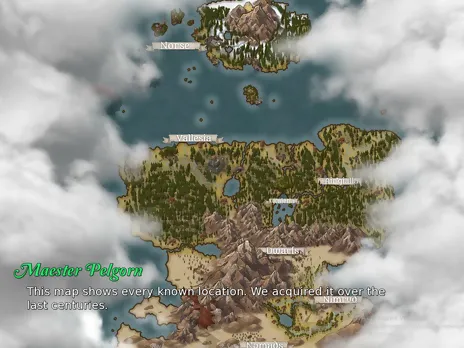
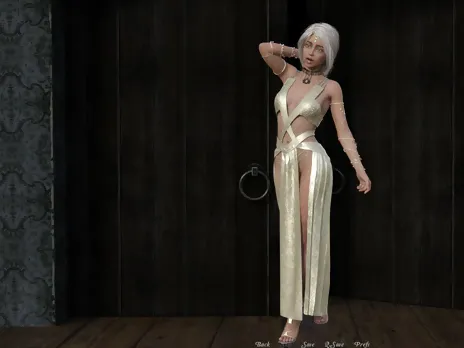
The Sixth Realm throws chosen warriors into a new dimension where dark magic twists everything. You level skills and face threats alongside other champions. It aims for a grand quest scale but plays like a brisk browser fantasy loop.
- Quick skill progression keeps your finger tapping. Each new ability unlocks a short scene.
- The elf heroine is the default lens, aloof and powerful until the realm starts bending her.
- Pacing is the strong suit here: encounters fire off fast, and the art shifts with each corruption beat.
6. Dinner with Natsuki - (The King of Summer) - v
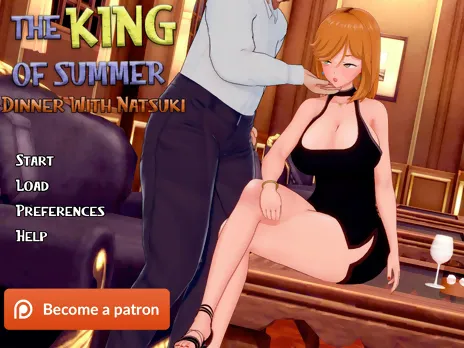
Dinner with Natsuki sets a romantic hotel meal that gets crashed by a suave restaurateur with a hidden agenda. Natsuki, seated beside a man from a forbidden summer fling, feels the tension coil. The elf tag here is light: Natsuki carries a pointed-ear aesthetic in context, but the game runs on a contemporary drama engine.
- Dialogue-driven with slow-burn groping and teasing. Not a quick cabinet; it wants you to soak in the unease.
- The tension between Yoshihiko, Natsuki, and Tatsuki is the whole game. No combat, no fantasy quest.
- Moderate token. Good for a longer sit-down if you prefer narrative pressure over instant action.




How this list was built
Across this pull, a pattern holds. The elf archetype works best when the game uses distance as fuel. A cool exterior, a disciplined body, a noble quest: the mechanics then apply friction until that surface cracks. The titles that deliver fast, like Dream Beer and Deedlit Gang-fuck, understand this and waste no time. The ones that drift, like Alessandra or Astrid Training, still trade on the same tension but ask for more patience than most walk-up players will spare.
On this floor, the elf cabinet is not about lore or epic scale. It is about a fantasy type placed under pressure, and whether the game lets you turn the screws yourself. Pick the ones with tight loops and immediate feedback. The rest are just set dressing.